
Notes, materials, and moments of attention, as one flower is translated through scent, form, and sound.
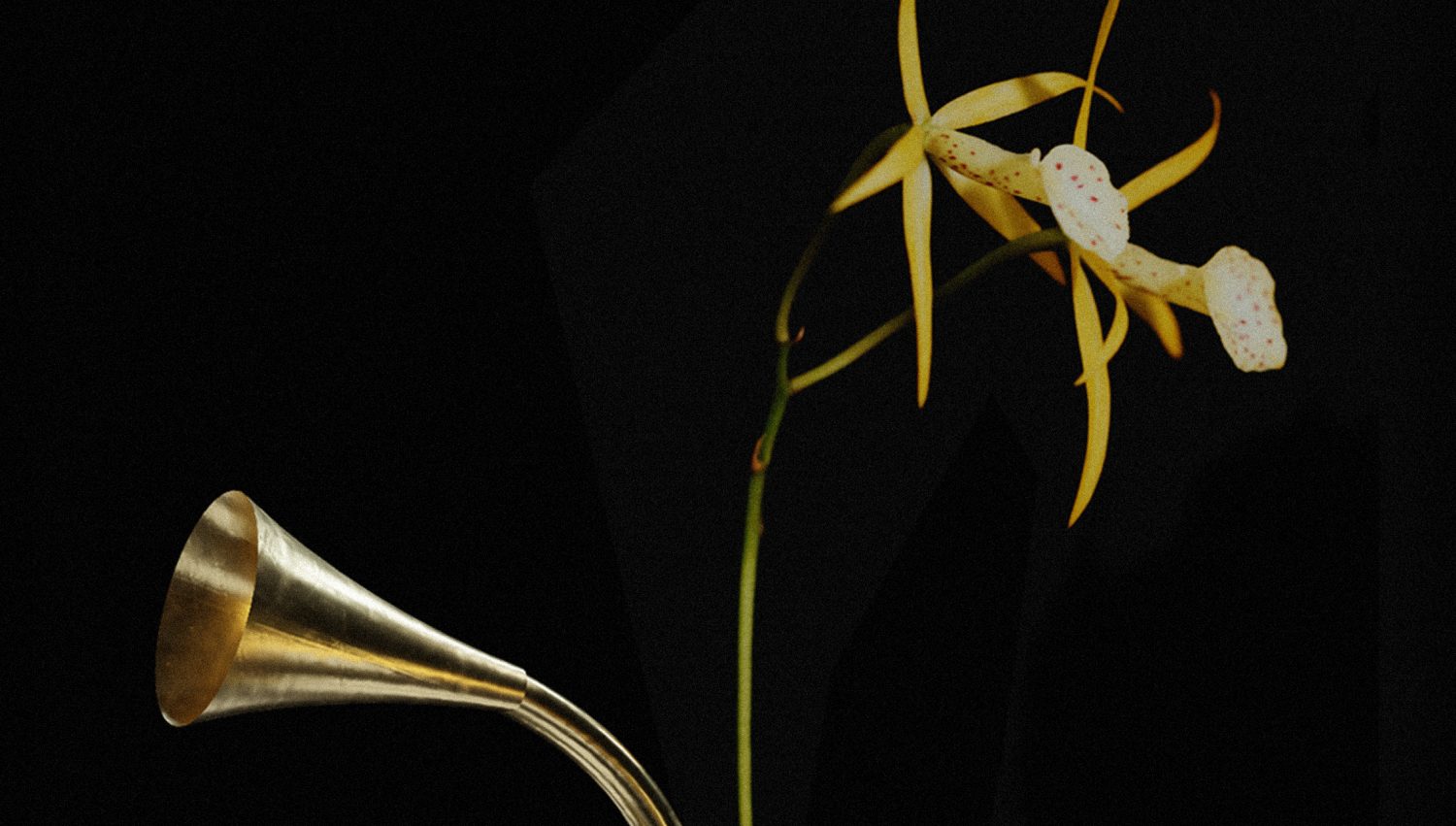

How do we know a flower?
By what it shows.
By how it bends to light and air.
Botanical Rhapsody begins with scent,
then moves outward.
Form fades.
Something lingers.
What flowers become.
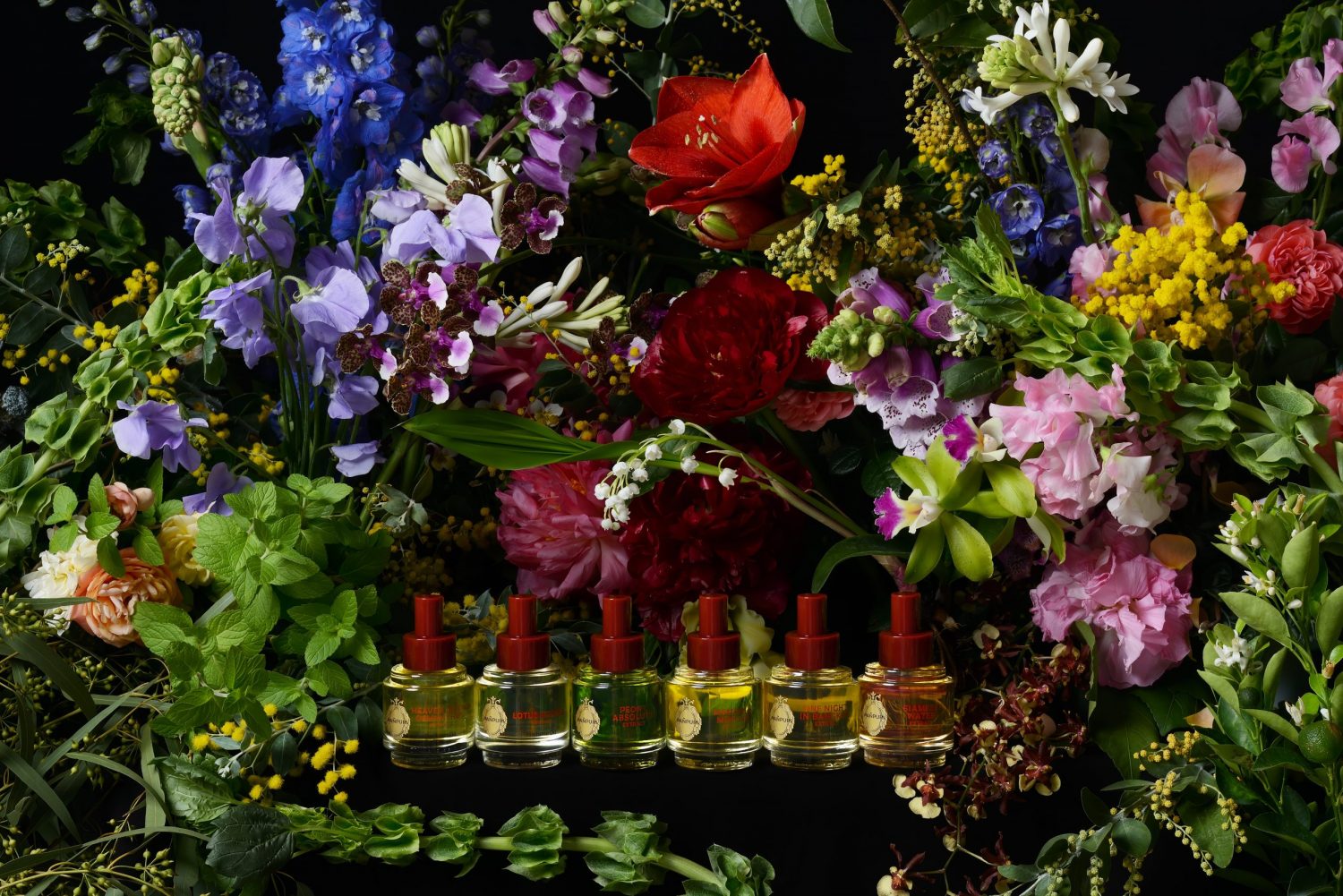
Flowers do not last. Their presence does—if we learn how to listen.
PAÑPURI begins with observation, seeing the flower beyond its peak bloom and across its entire life. Mimosa’s dusty warmth. Jasmine’s shift from green to narcotic. The way White Lotus unfolds differently at dawn than dusk. Each scent is composed to move and change through the air, guided by its own rhythm.

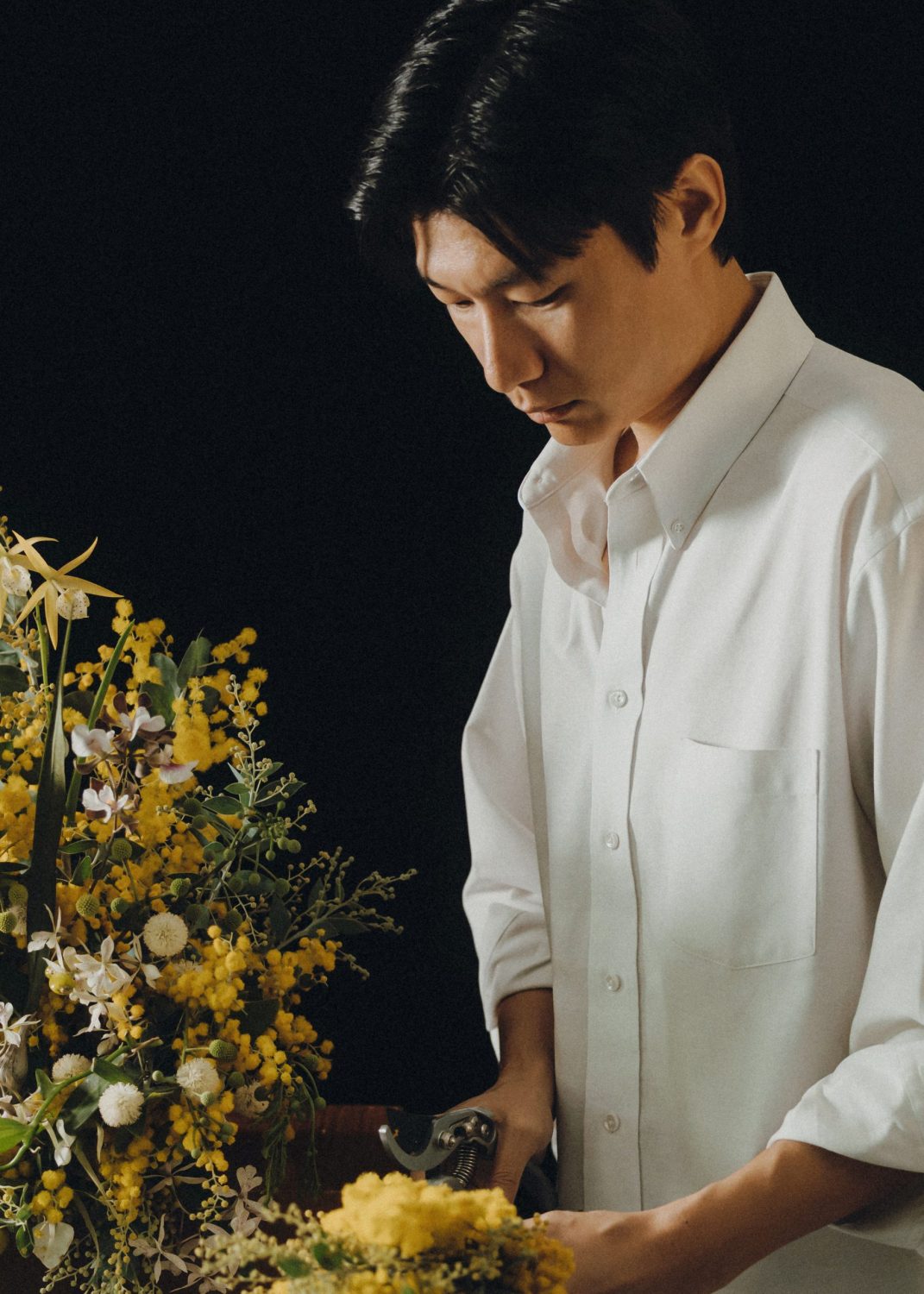
Naraphat Sakarthornsap
Floral artist
Working across photography and installation, Naraphat Sakarthornsap uses flowers as a way of examining inequality, fragility, and the structures through which meaning is assigned. In his practice, flowers are never merely decorative; they carry social and emotional weight, often revealing what sits beneath appearances. His work moves between delicacy and tension, using floral form to consider questions of power, value, and vulnerability.
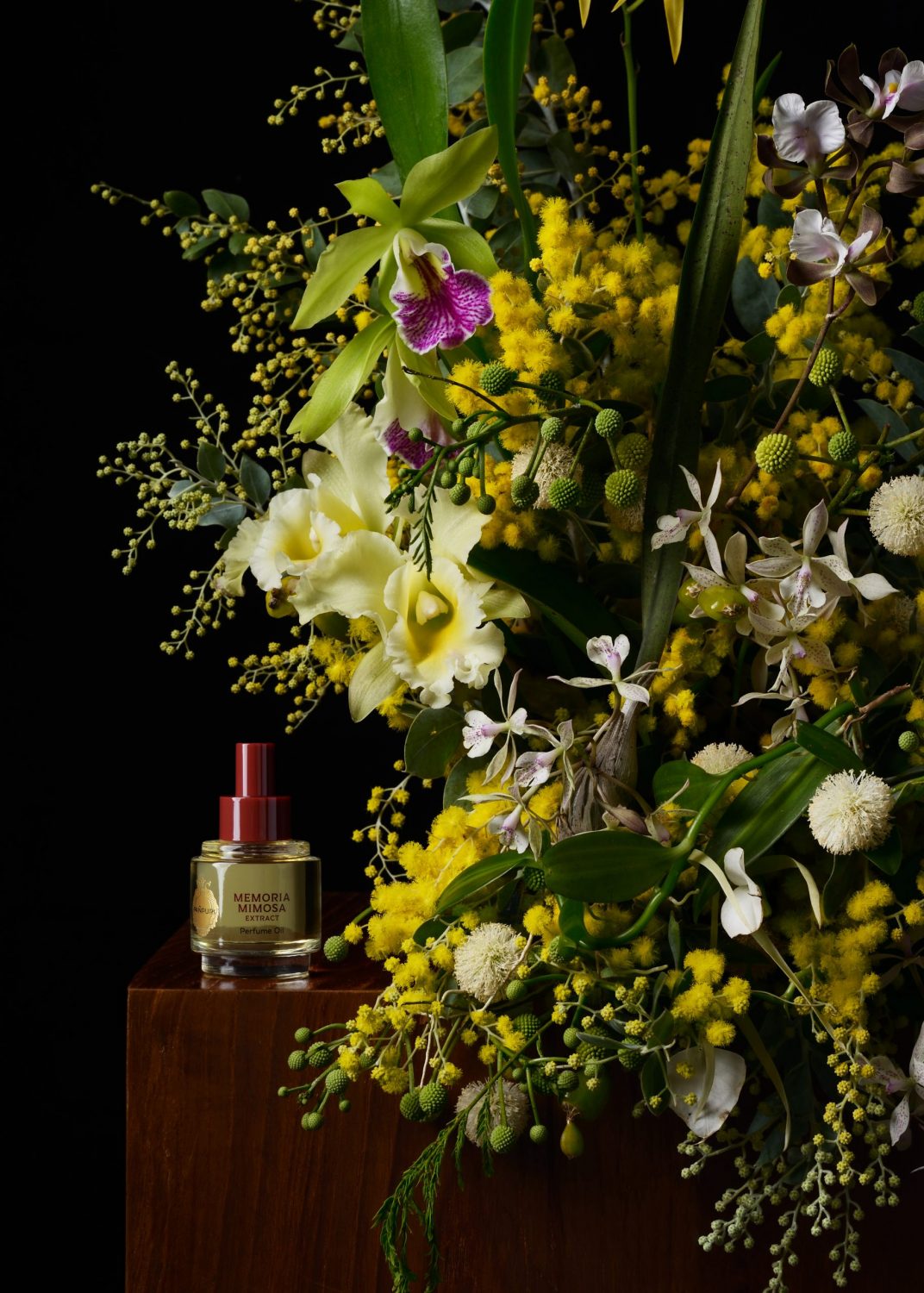
Familial Arrangement
Familial Arrangement considers the Fabaceae family through two flowers of shared origin but unequal standing. Mimosa is readily celebrated; acacia, though of the same family, is more often dismissed or valued only for use. Placed together, they expose the different meanings assigned to plants of common lineage. The arrangement makes space for what is overlooked, and proposes that in nature, beauty and worth are not conferred by status.
Temporal Arrangement
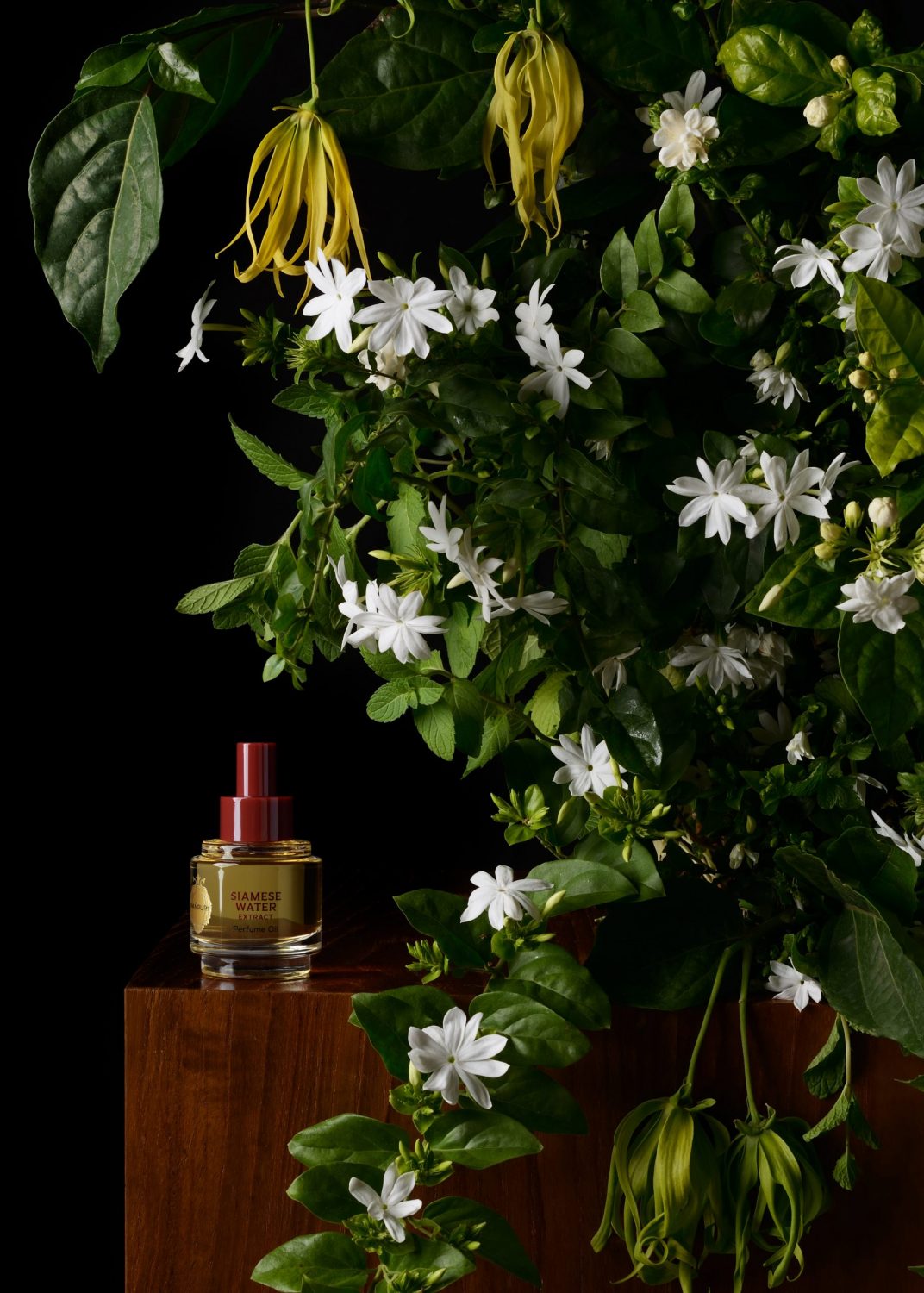
Temporal Arrangement considers the jasmine family through differences in flowering time. While familiar jasmine falls dormant in winter, other members of the same family continue to bloom. Gathered together, they reveal the uneven rhythms of seasonal life: some waiting, others arriving against expectation. The arrangement does not privilege one state over another. It observes difference as a condition nature permits within the same lineage.
Morphological Arrangement
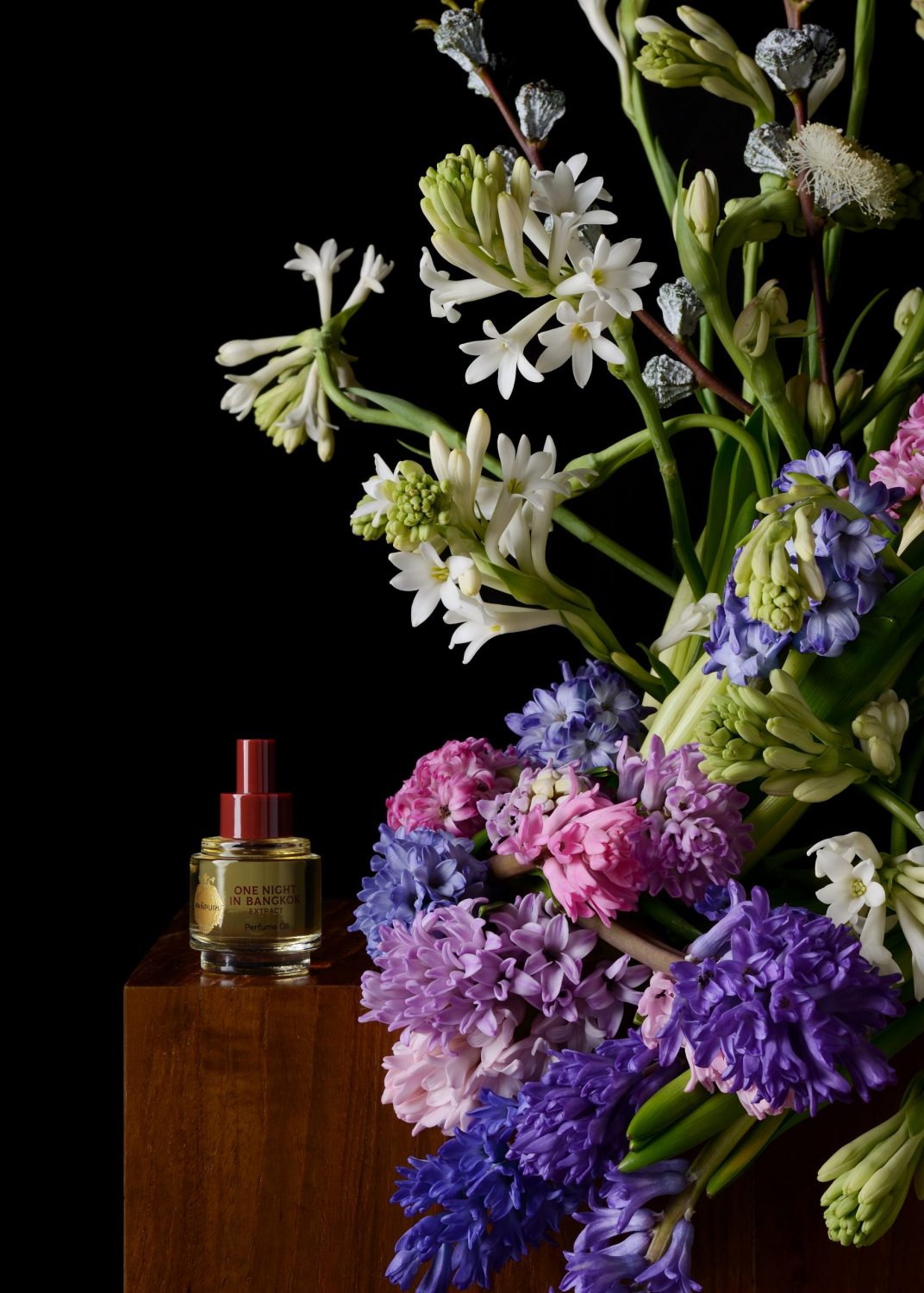
Morphological Arrangement approaches the Asparagaceae family through structure. Tuberose is placed alongside hyacinths, which share its family but differ in colour, density, and bearing. Their proximity draws attention to the breadth of form nature permits within a single lineage. Difference here is not division, but the condition through which individual character becomes legible.
Aesthetic Arrangement
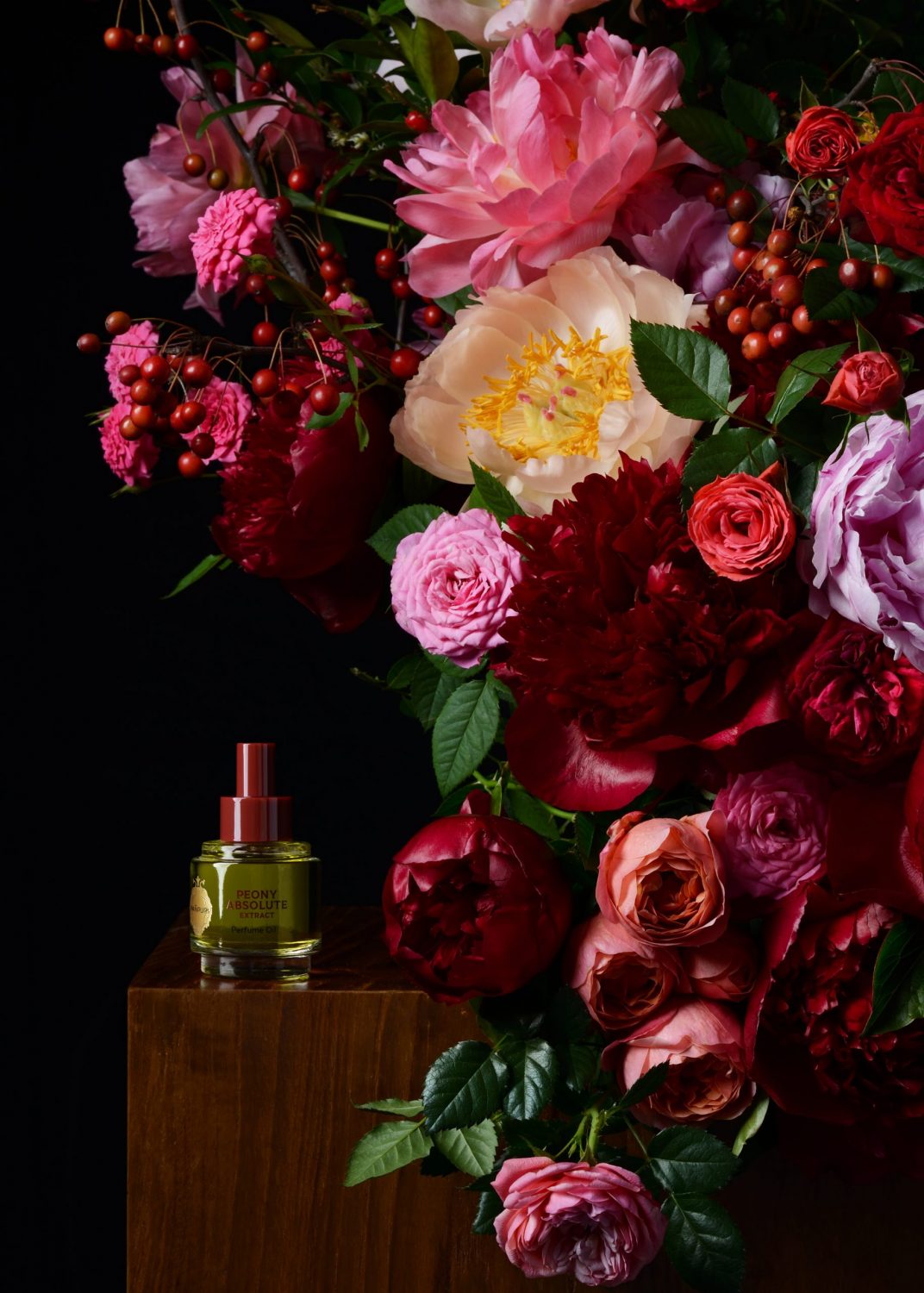
Aesthetic Arrangement reflects on beauty within a single botanical frame. As the sole genus of the Paeoniaceae family, the peony contains its own internal range: petals spare or densely gathered, tones pale or saturated, forms soft or architectural. Roses are introduced in parallel, shown both as garden plants and as cut flowers, to consider how context alters perceived value.
Primordial Arrangement
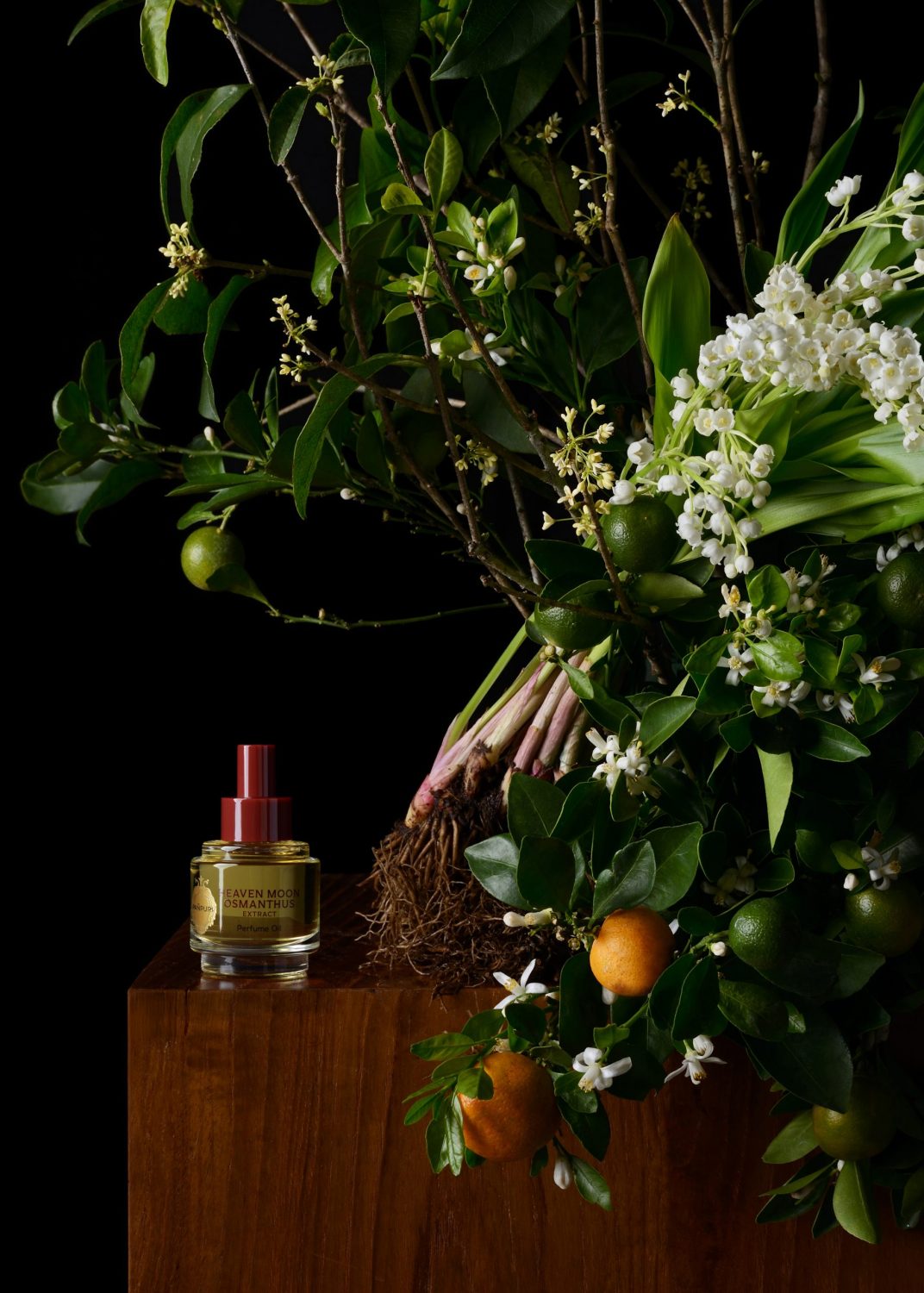
Primordial Arrangement considers the Oleaceae family through osmanthus, a flower rarely grown for cutting because of its fragility. Placed beside Lily of the Valley, a plant of another season and geography, it creates an unlikely meeting. The work reflects on origin, distance, and the differing conditions that shape plant life. In allowing unlike habitats to appear together, it questions the value attached to provenance and difference, and considers the coexistence of things that would not ordinarily bloom side by side.
Evolutionary Arrangement
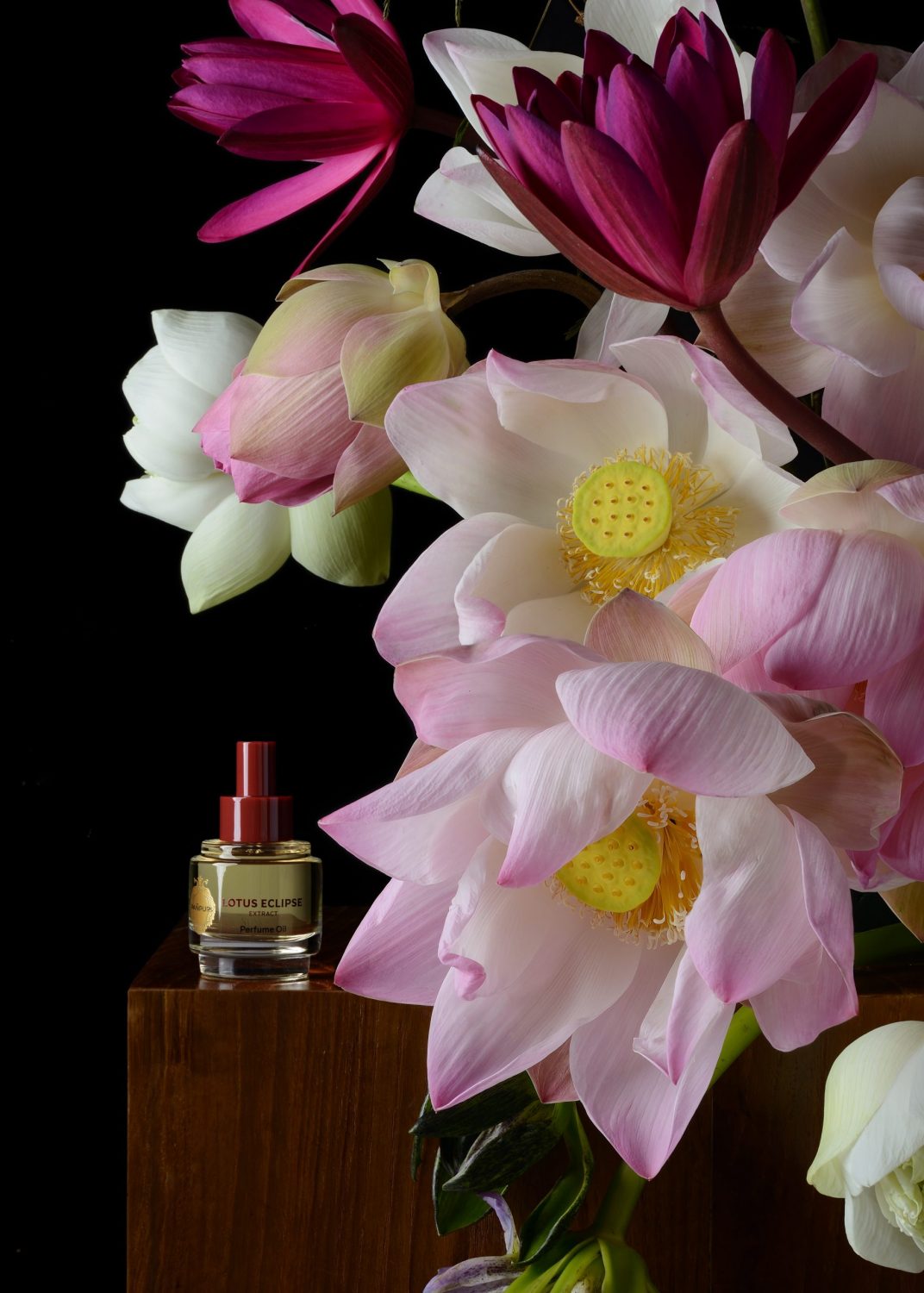
Evolutionary Arrangement begins with a common mistake: the sacred lotus and the water lily are often taken for one another, though they belong to different families and are structured differently in almost every essential way. The lotus rises above the water; the lily remains close to its surface. Seen together, resemblance gives way to divergence. The arrangement invites a slower reading of likeness, and asks us to look beyond appearance toward adaptation and survival.
Chapavich Temnitikul
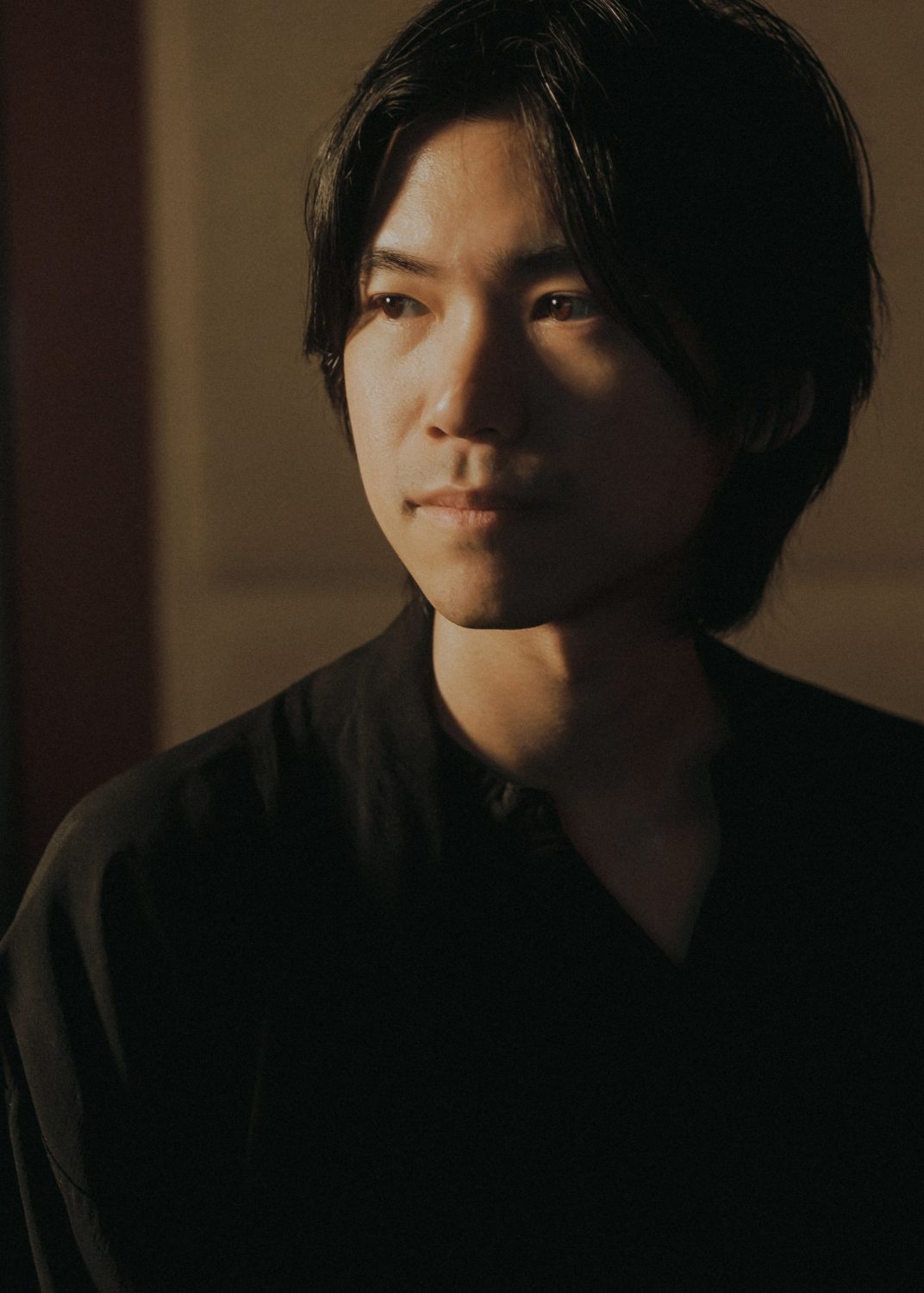
Composer
Chapavich Temnitikul works across film, performance, and experimental music. Trained in music composition and film scoring, he has written for projects shown at international film festivals including Cannes, Berlinale, BFI London Film Festival, and Los Angeles Film Festival. His practice moves between structure and atmosphere, with a sustained interest in how sound carries narrative, tension, and memory.
Botanical Rhapsody Original Score
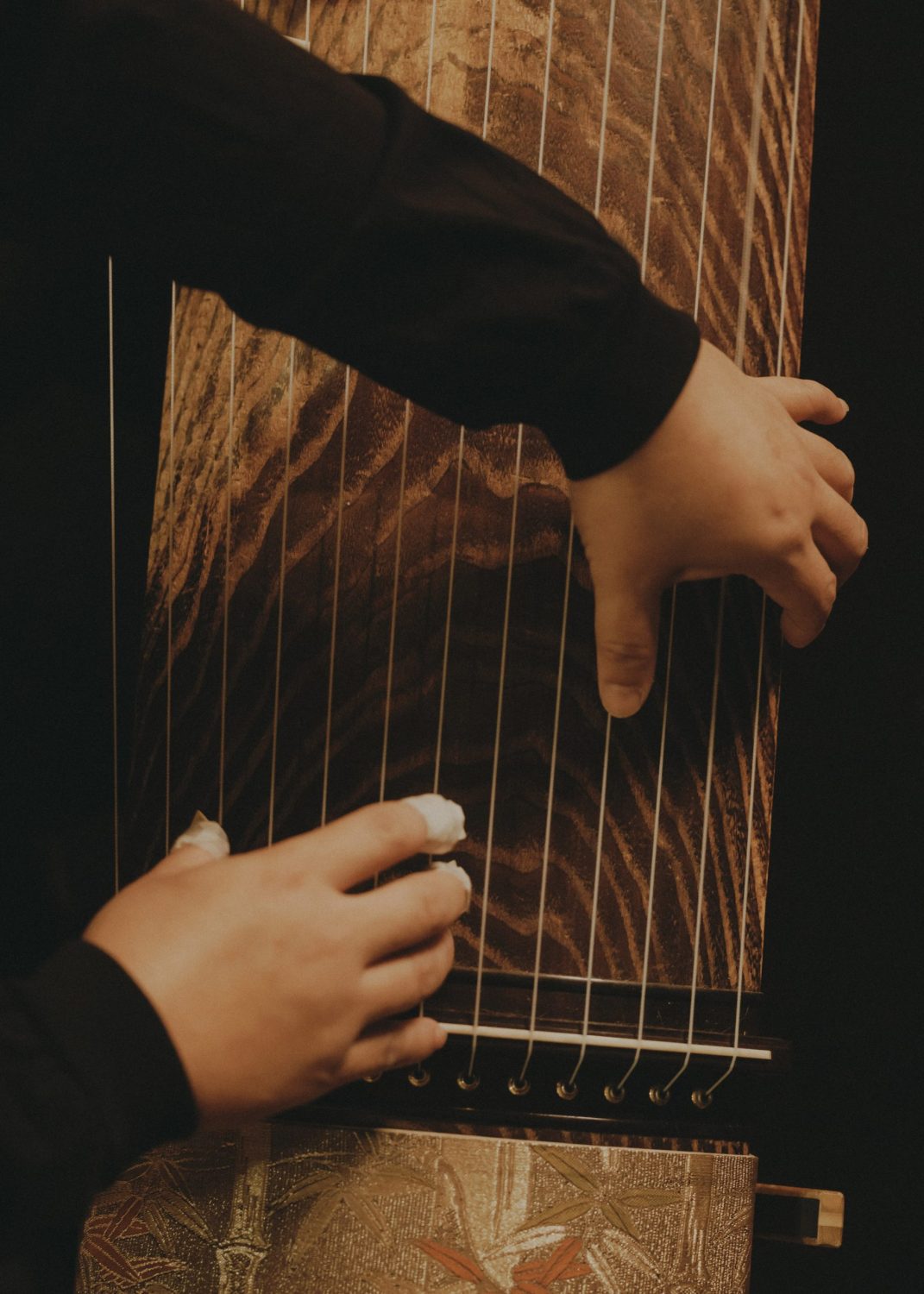
The score is written as one continuous work, though it begins with six of our floral fragrances. To bring the composition to life, composer Chapavich has invited an ensemble of distinguished musicians whose practices span Eastern and Western traditions. Their instruments meet here as notes and stems do elsewhere in Botanical Rhapsody: retaining their character, while finding shape in relation to one another. Listen, then, for how each proposes a different way for a flower to sing.
Ensemble
Worawan Worachat | Flute
Kittipith Kaivikai | Violin
Numpark Sribanditmongkol | Erhu
Nagorn Tantivess | Piano
Sarut Bawornteepak | Koto
Tossaporn Tassana | Xylophone